




Cattail Marsh (SETX)
Includes 900-acres of scenic wetlands along with a boardwalk that features two covered platforms, providing access to incredible…
The region between these two areas/cities serves as a critical stopover for millions of birds migrating from the South in the Spring and from the North in the Winter. We invite you to our birding paradise. Birds continue to hug our coastline with the wonderful weather and abundance of food, especially during the Spring Migration.
Ecologically, the region is comprised of a diverse array of habitats: Spring-fed sandy-bottomed streams run through mixed pine-hardwood forests; Coastal tallgrass prairie habitat melts into fresh, brackish, and saltwater marshes as you travel south towards the Gulf; Patches of hardwood forests and coastal woodlands dominated by coast live oak (Quercus virginiana), known as cheniers; Thorn-scrub habitat, primarily hackberry (Celtis laevigata), subsides to gulf beaches.
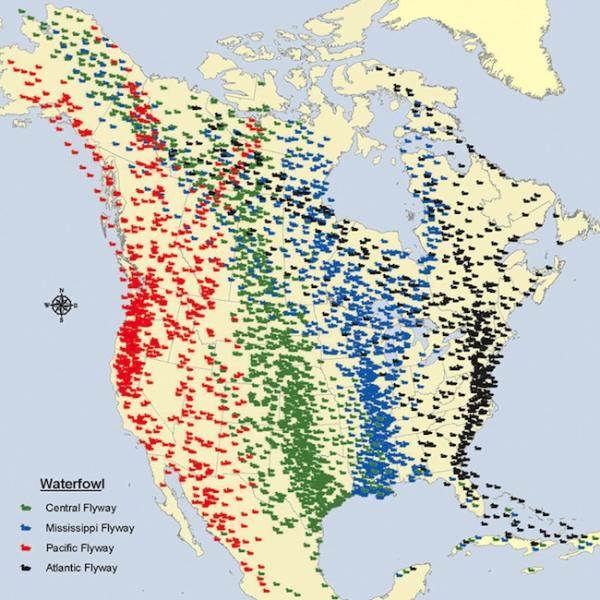
Within a 90-mile radius, witness more than 34 birding hotspots, including Peveto Woods Sanctuary, Cameron Prairie NWR, Sabine NWR, Cattail Marsh, High Island, Anahuac NWR and Bolivar Flats Sanctuary. Many times referred to as the rail capitals of the world, with trips successfully sighting 3-5 rails, this includes black and yellow rails in late November or early December.
In addition to exceptional birding, these areas have so much more to offer. Varied local cuisines from seafood to Cajun to Creole to sushi and po-boys; breweries and distilleries; live music; casino gaming; championship golf; world-class spas; charter fishing or fishing from the pier/shore; photogenic historic districts, and the list goes on and on. The area also boasts a wide range of accommodations from budget to 4-star, from bed & breakfasts to casino resorts.
Includes 900-acres of scenic wetlands along with a boardwalk that features two covered platforms, providing access to incredible…

This small-but-potent patch of coastal woodlands was the first chenier sanctuary for migratory birds established in Louisiana.

The formal Botanical Gardens offers a bird blind to observe nesting birds in Shangri La’s heronry.

This 125,000-acre refuge hosts neotropical migrants during migration and waterfowl and wading birds year round.

A coastal birding habitat combination of salt marsh, midflats, and beach that produces consistent phenomenal birding.

